
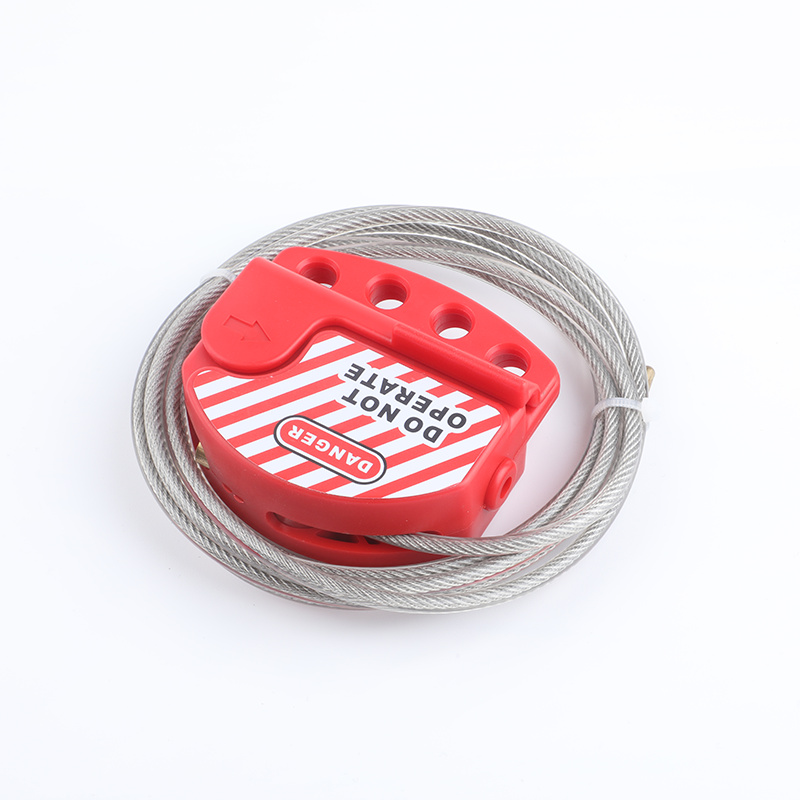
In the realm of industrial safety, effective lockout/tagout (LOTO) procedures are crucial to preventing accidents and ensuring the well-being of workers. Among the various safety mechanisms employed, pneumatic lockout devices play an essential role in controlling and isolating pneumatic energy sources during maintenance and repair operations. These devices, designed to securely lock pneumatic valves, help prevent accidental releases of compressed air, which could otherwise lead to serious injuries or fatalities.
Pneumatic systems are widely used in manufacturing plants, automotive industries, food processing facilities, and many other sectors. Because compressed air is stored under high pressure, any unintentional activation can cause machinery to move suddenly or create hazardous flying debris. Therefore, isolating and locking out pneumatic energy is vital before maintenance or inspection to protect workers from unexpected machine startups.
One of the leading manufacturers in this specialized field is Zhejiang Bojia Safety Protection Products Co., Ltd., a company dedicated to ensuring workplace safety by producing high-quality locking products. Their commitment to the principle of “prevention safety first, lock safety second” reflects a proactive stance toward accident prevention—emphasizing that preventing hazardous conditions through proper safety protocols is the most effective way to protect lives, with the use of locks as a critical secondary measure.
### What is a Pneumatic Lockout Device?
A pneumatic lockout device is designed to fit onto pneumatic valves, ensuring they remain in the off or closed position while maintenance is performed. Typically, these devices are constructed from durable materials such as reinforced nylon or stainless steel to withstand harsh industrial environments. Their design ensures that once installed, the valve cannot be turned or adjusted without removing the lockout device, usually requiring a unique key or combination to unlock.
The device can be used on a range of valve types—ball valves, butterfly valves, gate valves—and sized to fit various pipe diameters and valve styles. Many pneumatic lockout devices are also designed to accommodate multiple padlocks, allowing several workers to apply their own lock during group lockout/tagout procedures, ensuring collaborative safety.
### Why Pneumatic Lockout Devices Matter
Pneumatic systems are prone to accidental activation if not properly isolated. Without reliable lockout devices, the risk of compressed air suddenly energizing mechanical components increases substantially, posing a danger to maintenance personnel. Pneumatic lockout devices eliminate this risk by providing a visible and physical barrier to valve operation.
Moreover, in industries where downtime must be minimized, such devices allow maintenance work to proceed safely and efficiently, reducing the chance of emergency shutdowns or injuries that could result in longer operational interruptions. Implementing comprehensive lockout/tagout procedures that include pneumatic lockouts helps companies comply with occupational safety regulations and avoid costly penalties.
### Zhejiang Bojia Safety Protection Products’ Role in Industrial Safety
Zhejiang Bojia Safety Protection Products Co., Ltd. has established itself as a trusted name in the safety equipment industry by focusing on the manufacture of various locks, tags, and security products tailored to meet stringent safety requirements. Their product range includes lockout devices for electrical systems, valve lockouts, and specifically, pneumatic lockout devices that cater to diverse industrial needs.
The company’s emphasis on “prevention safety first, lock safety second” underscores its philosophy that the best safety outcomes come from preventing hazardous situations before they necessitate physical lockouts. This holistic approach involves not only providing robust products but also supporting safety education and awareness for clients and workers alike.
### Market Trends and Technological Advancements
As global industries modernize with increased automation and complex machinery, the demand for effective lockout devices including pneumatic lockouts continues to grow. Safety regulations worldwide are becoming more stringent, requiring industries to adopt comprehensive systems for energy control.
Innovations in materials science have led to the development of lockout devices that are not only more durable but also lightweight and easier to install. Furthermore, smart lockout systems integrating electronic verification and monitoring are emerging, advancing the traditional lockout/tagout practices into the digital age. Nonetheless, physical pneumatic lockout devices remain foundational components in effective safety programs.
### Conclusion
Ensuring worker safety in industrial environments demands meticulous attention to energy control methods, particularly when managing pneumatic systems. Pneumatic lockout devices provide a simple yet indispensable solution for locking and isolating pneumatic valves, thereby reducing risks of accidental machine activation during maintenance.
Companies like Zhejiang Bojia Safety Protection Products Co., Ltd. play a vital role in this safety ecosystem by manufacturing reliable, effective lockout products while promoting a culture of prevention-first safety. Their dedication helps industries worldwide maintain safer workplaces, comply with regulations, and protect their most valuable assets—their employees.
As industries continue to evolve, embracing both traditional and innovative safety technologies will remain key. Pneumatic lockout devices stand as an essential line of defense in industrial safety, demonstrating that sometimes the simplest devices carry the greatest impact in protecting lives.