
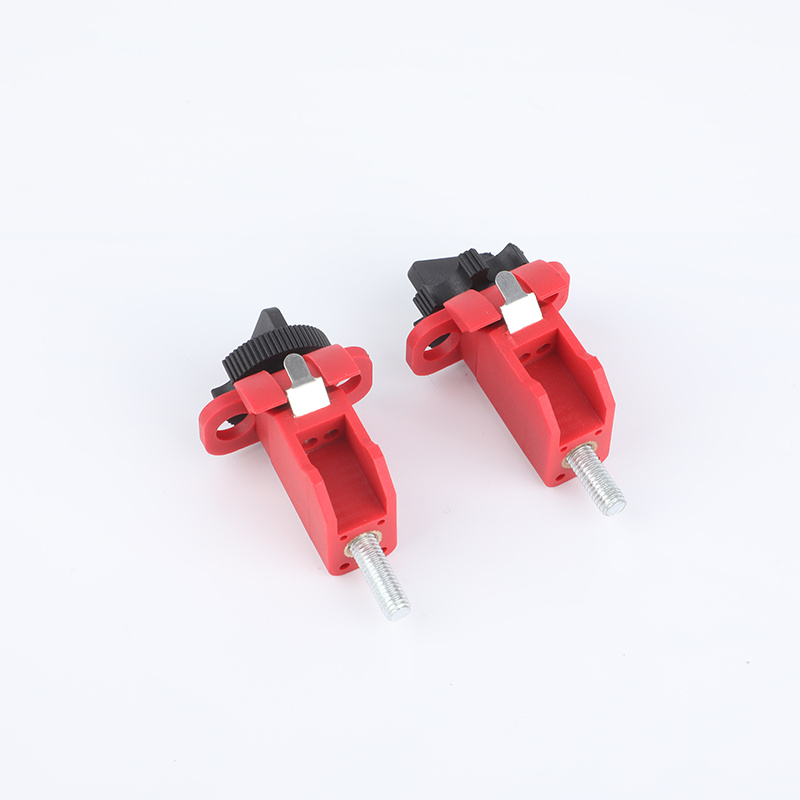
In today's industrial workplaces, safety remains a top priority, especially when dealing with electrical equipment that poses significant risks to workers. Electrical lockout tags are an essential component of effective lockout/tagout (LOTO) programs designed to prevent accidental energization of machinery during maintenance or repair. With increasing awareness of occupational safety standards, these tags have proven to be invaluable in safeguarding workers from electrical hazards.
**What Are Electrical Lockout Tags?**
Electrical lockout tags are specialized warning labels used during the lockout/tagout procedures to clearly identify that a piece of equipment is locked and must not be operated until the tag and lock are removed by authorized personnel. The tags often include critical information such as the reason for lockout, the name of the person responsible, and the date. By visually communicating the status of equipment, these tags help prevent accidents caused by unexpected energization or startup.
These tags are typically made from durable materials to withstand harsh industrial environments. They are attached to lockout devices or directly onto electrical panels and switches. The use of highly visible colors and legible prints ensures that anyone entering the area can immediately recognize that the equipment is under lockout protection.
**The Importance of Electrical Lockout Tags in Safety Protocols**
Workplace accidents involving electrical equipment can result in severe injuries or fatalities. Electrical shock, arc flash burns, and mechanical injuries from unexpected machine startup are among the most common dangers. Implementation of lockout/tagout procedures significantly reduces these risks by ensuring energy isolation before servicing begins.
Electrical lockout tags act as a critical communication tool within these procedures. They not only alert workers and maintenance personnel about the status of the equipment but also hold individuals accountable for the lockout. The presence of a tag emphasizes the necessity for caution and adherence to safety protocols, fostering a culture of responsibility and awareness.
Regulatory bodies such as OSHA have long emphasized the importance of lockout/tagout programs, specifying requirements for labeling and signage. Compliance with these regulations helps organizations avoid legal penalties and, most importantly, protects their workforce.
**Innovation and Quality in Electrical Lockout Tags**
The effectiveness of electrical lockout tags depends largely on their quality and design. Tags must be resistant to chemicals, water, abrasion, and extreme temperatures. This durability ensures that the warnings remain intact and visible throughout the lockout period, regardless of environmental conditions.
Moreover, clear, concise, and customizable printing allows organizations to tailor the tags to their specific operations. For example, spaces for employee names, dates, and reasons for lockout help maintain accurate records and streamline communication.
Modern electrical lockout tags also feature bold colors, reflective surfaces, and standardized formats to improve visibility and recognition. Some even include spaces for barcoding or QR codes to integrate with digital safety management systems, advancing workplace safety into the digital era.
**About Zhejiang Bojia Safety Protection Products Co., Ltd.**
As a leading manufacturer in the safety lock industry, Zhejiang Bojia Safety Protection Products Co., Ltd. specializes in producing a wide range of locks, tags, and security products designed to enhance workplace safety. With a strong commitment to the philosophy of "prevention safety first, lock safety second," the company continuously innovates to supply reliable, high-quality safety solutions.
The company’s electrical lockout tags exemplify this dedication. Each product is crafted to meet stringent industrial standards while providing practical functionality to fit the needs of various sectors, including manufacturing, construction, and utilities.
Zhejiang Bojia understands that safety is not merely about equipment but about protecting lives. Their lockout tags are rigorously tested for durability and user-friendliness, offering peace of mind to safety managers and workers alike. Additionally, the ability to customize tags helps clients implement comprehensive lockout/tagout programs tailored to their unique operating environments.
**Industry Impact and Future Prospects**
The adoption of electrical lockout tags across industries has seen significant growth, driven by increasing regulatory oversight and the recognition of safety’s business value. Organizations that invest in robust lockout/tagout devices often see reduced workplace injury rates, decreased downtime, and improved employee morale.
Looking ahead, innovations in materials, printing technology, and digital integration will further enhance the role of electrical lockout tags. Companies like Zhejiang Bojia are at the forefront of these advancements, continually adapting to emerging safety challenges.
As factories and plants evolve with automation and smart technologies, the importance of dependable lockout safety products will only increase. Electrical lockout tags will continue to serve as a simple yet powerful line of defense against electrical hazards, demonstrating that effective safety starts with prevention and clear communication.
**Conclusion**
Electrical lockout tags are a fundamental element in maintaining safe working environments where electrical hazards exist. By clearly indicating that equipment is under maintenance and must not be energized, these tags protect workers from potentially life-threatening accidents.
Zhejiang Bojia Safety Protection Products Co., Ltd. embodies the industry’s commitment to safety with their high-quality lockout solutions guided by the principle "prevention safety first, lock safety second." Through innovation, quality manufacturing, and a customer-focused approach, the company plays a vital role in advancing workplace safety protocols worldwide.
Incorporating reliable electrical lockout tags into your lockout/tagout program is not just a regulatory necessity but an investment in the wellbeing of employees and the sustainable operation of your business. In the journey toward zero accidents, every tag counts.